Four antique primitively carved Cornish serpentine stone ornaments in the form of obelisks and Celtic Cross
A charming selection of hand carved Cornish serpentine ornaments each depicting an obelisk or Celtic cross monument.
These crude but characterful pieces were carved by the local Cornish population during the late 19th and early 20th century and sold to tourists as a source of income. Commercial production boomed in the 19th century, creating ornate mantelpieces, vases, and lidded jars. Pieces were shipped across Britain to decorate prominent sites like Chatsworth House, Hampton Court, and Westminster Abbey with workshops and major factories, such as the one at Poltesco, shaping the local economy.
Cornish serpentine is a striking, colourful metamorphic rock found on the Lizard Peninsula in Cornwall. The rock features deep dark green, red, or grey colours laced with contrasting white or lighter veins and was formed over 300 million years ago when the Earth's mantle was pushed up and exposed to seawater. Named Cornish serpentine for its scaly, reptile-like appearance.

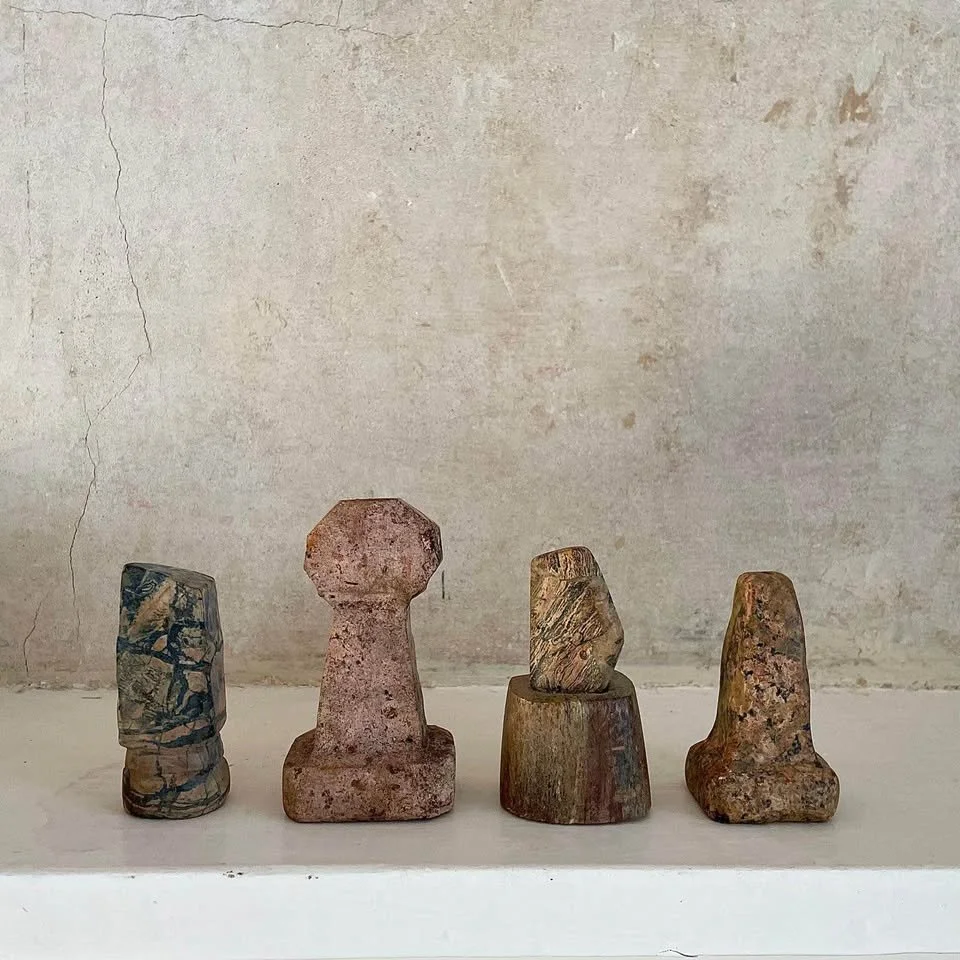 Image 1 of 8
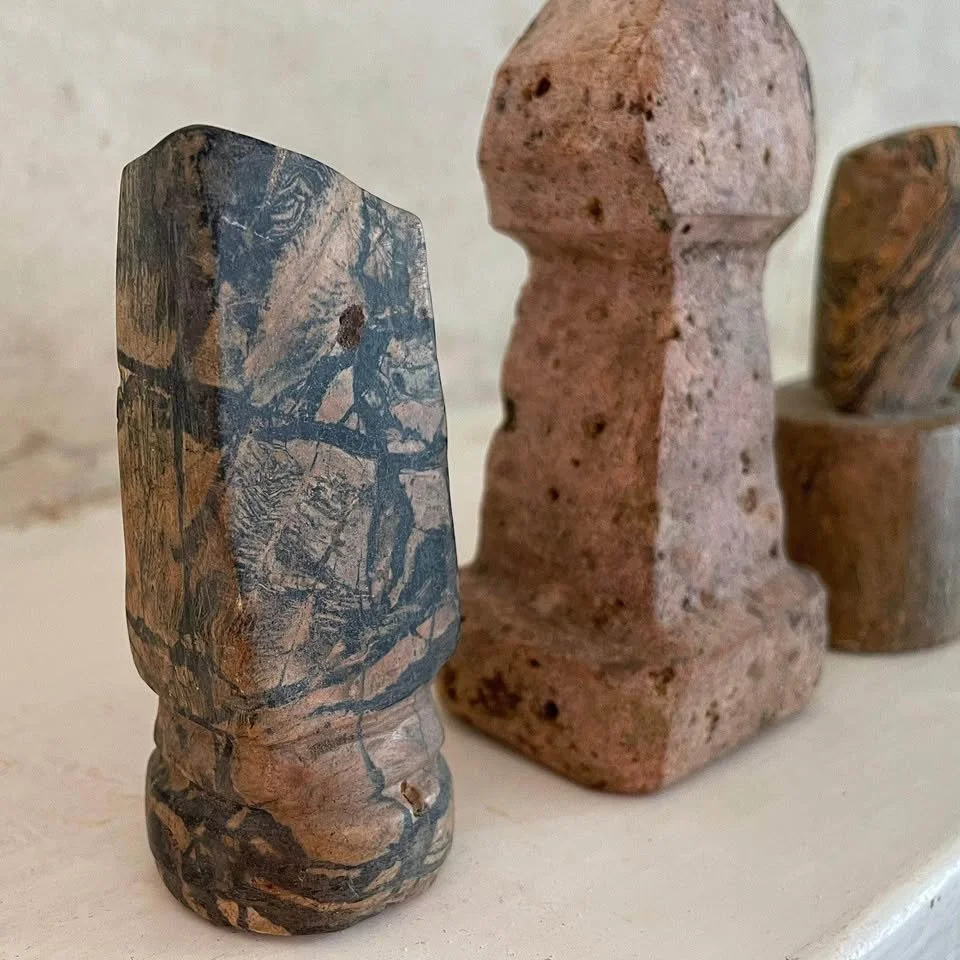 Image 2 of 8
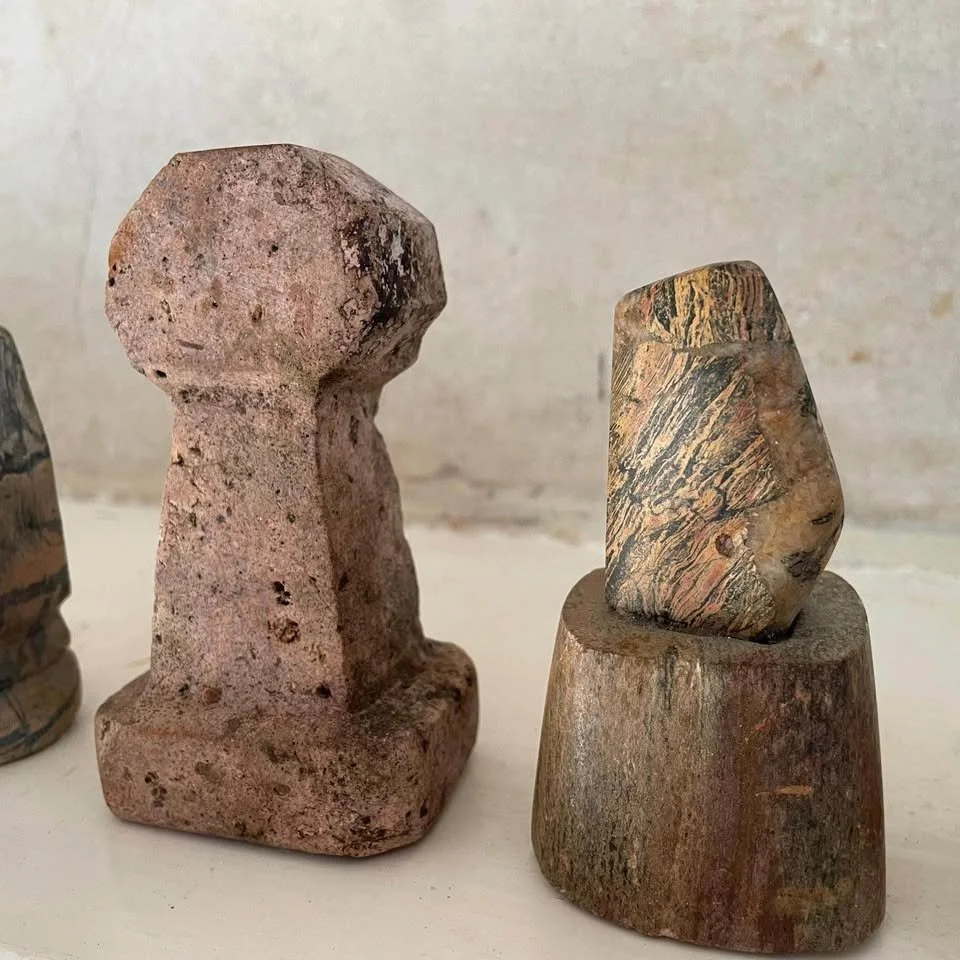 Image 3 of 8
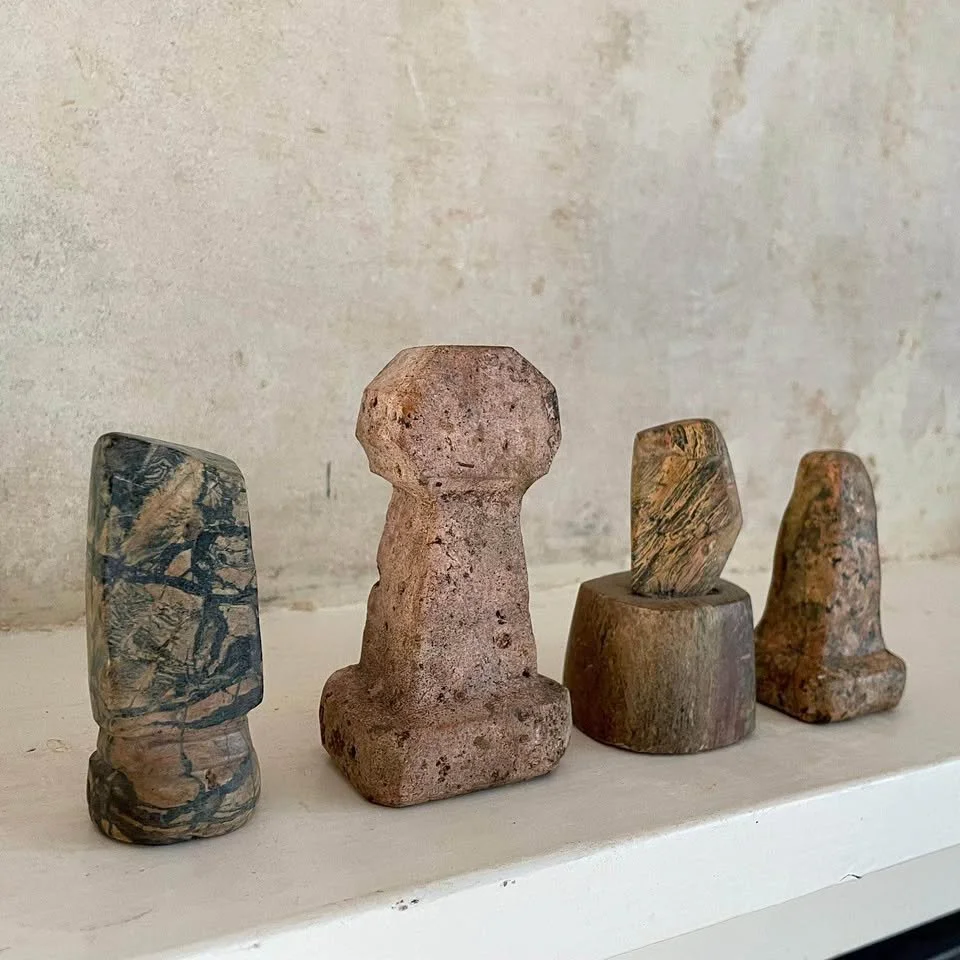 Image 4 of 8
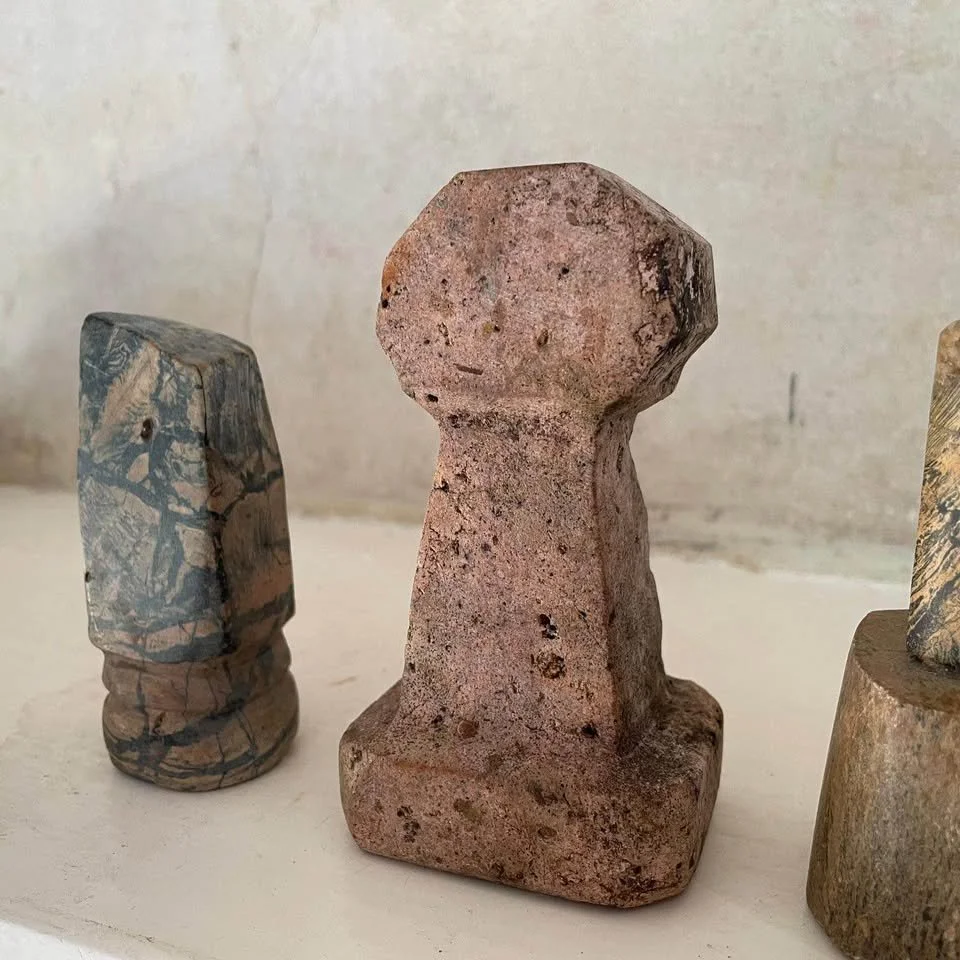 Image 5 of 8
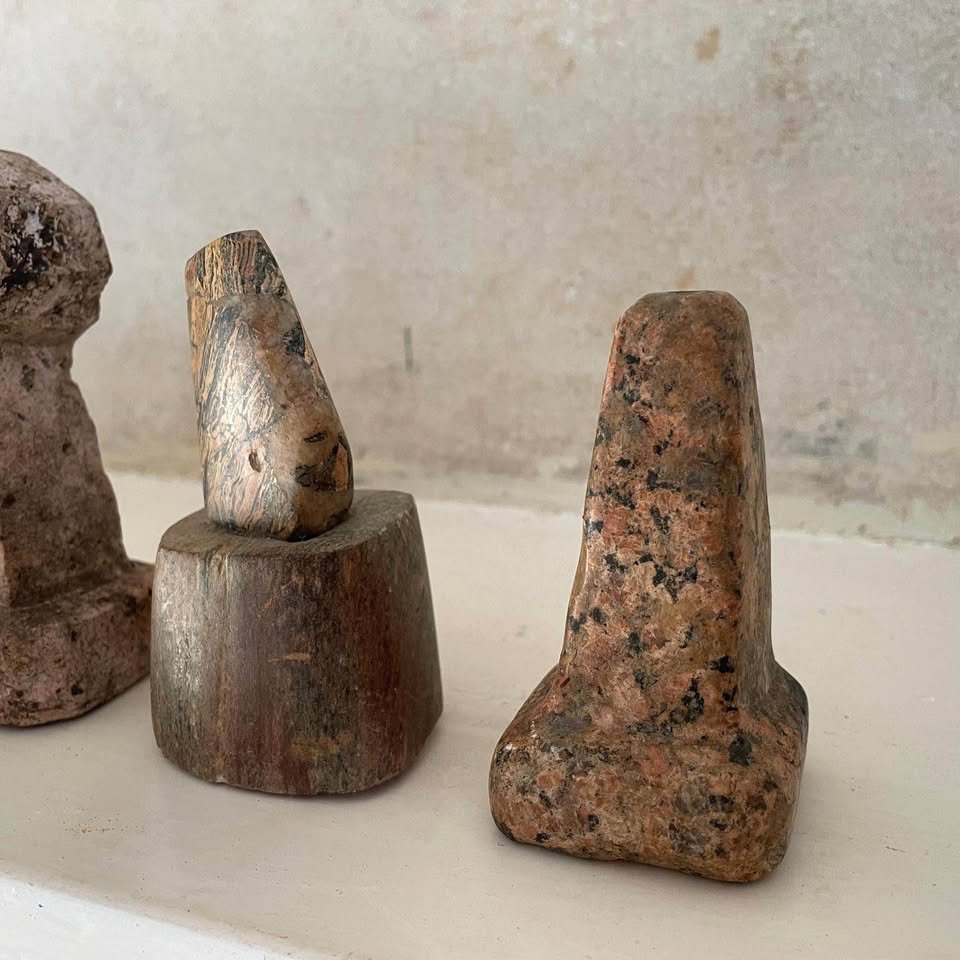 Image 6 of 8
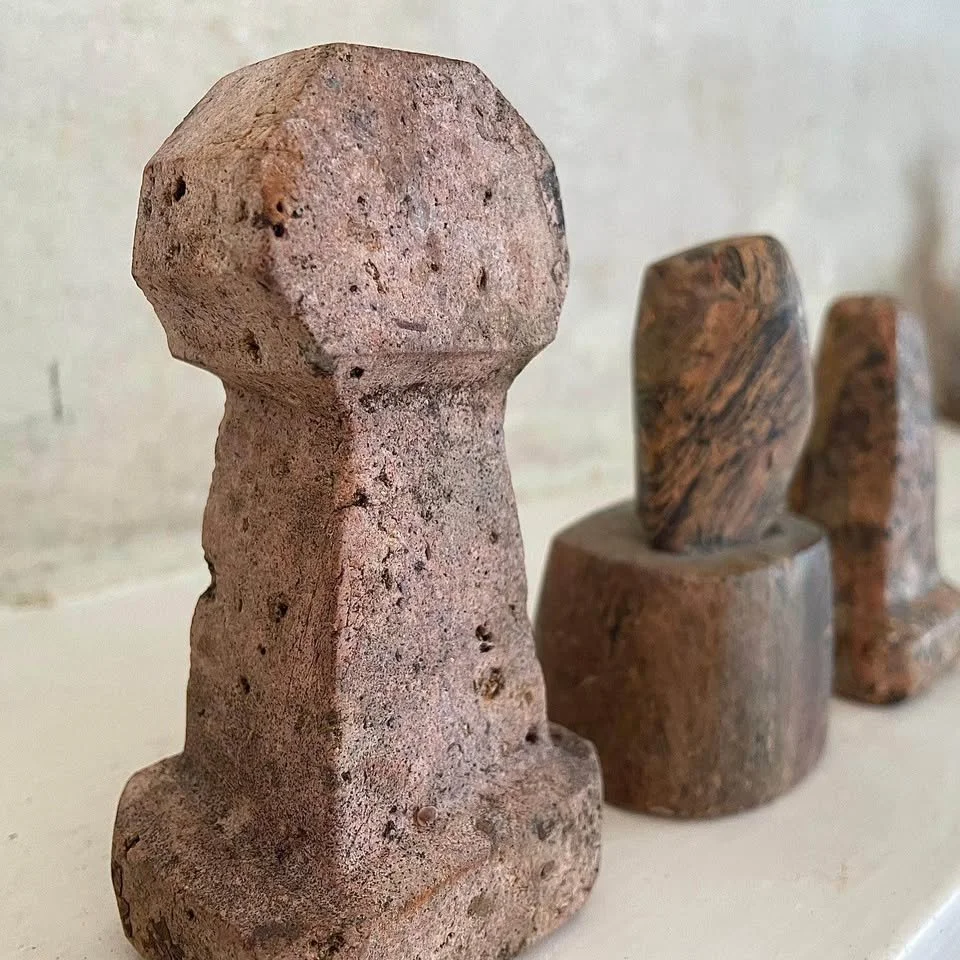 Image 7 of 8
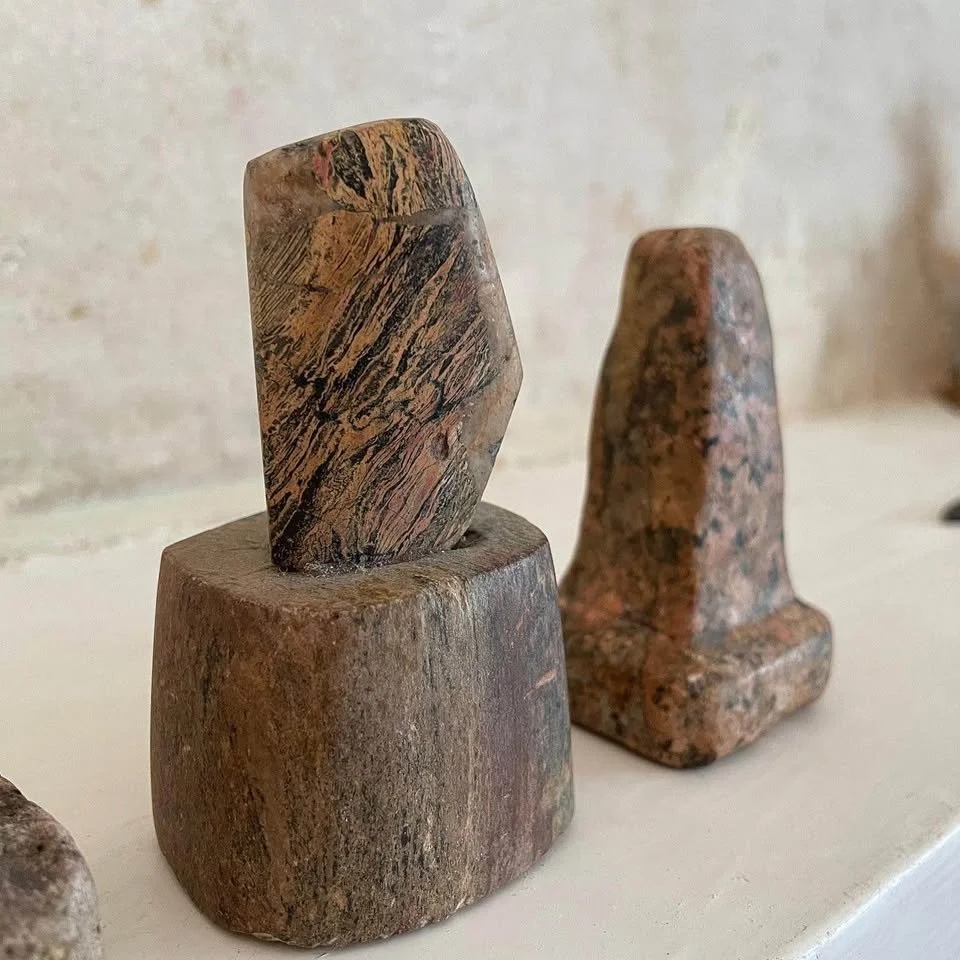 Image 8 of 8