Three graduating antique Japanese blue & white Hibachi brazier cache pots with cartouche, gourd vase and calligraphy decoration
A striking collection of three early 20th century Japanese cachepots of graduating form. Each example being well decorated with an assortment of cartouche, textured, gourd vase and calligraphy decoration.
A striking decorative set ideal for mantle or shelf display. The traditional Japanese hibachi or brazier is a common heating and cooking device typically crafted from materials like hardwood, ceramics, cast iron or bronze. It holds and thick layer of ash with burning charcoal on top, providing warmth and functionality.
Historically, it served a multitude of purposes, from grilling and roasting to simmering food and heating water, making it a versatile culinary tool. Additionally, it played an essential role in the Japanese tea ceremony, where it was employed to heat water for the precise preparation of matcha tea. Its enduring legacy lies not only in its practical applications but also in its elegant design, making it a treasured symbol of Japanese craftsmanship and cultural heritage.
These ornate and beautifully produced examples were likely ceremonial pieces due to their obvious quality and extensive decoration.
The largest of the three measures 28cm in height with a diameter of 33cm.
Three graduating antique Japanese blue & white Hibachi brazier cache pots with cartouche, gourd vase and calligraphy decoration
A striking collection of three early 20th century Japanese cachepots of graduating form. Each example being well decorated with an assortment of cartouche, textured, gourd vase and calligraphy decoration.
A striking decorative set ideal for mantle or shelf display. The traditional Japanese hibachi or brazier is a common heating and cooking device typically crafted from materials like hardwood, ceramics, cast iron or bronze. It holds and thick layer of ash with burning charcoal on top, providing warmth and functionality.
Historically, it served a multitude of purposes, from grilling and roasting to simmering food and heating water, making it a versatile culinary tool. Additionally, it played an essential role in the Japanese tea ceremony, where it was employed to heat water for the precise preparation of matcha tea. Its enduring legacy lies not only in its practical applications but also in its elegant design, making it a treasured symbol of Japanese craftsmanship and cultural heritage.
These ornate and beautifully produced examples were likely ceremonial pieces due to their obvious quality and extensive decoration.
The largest of the three measures 28cm in height with a diameter of 33cm.


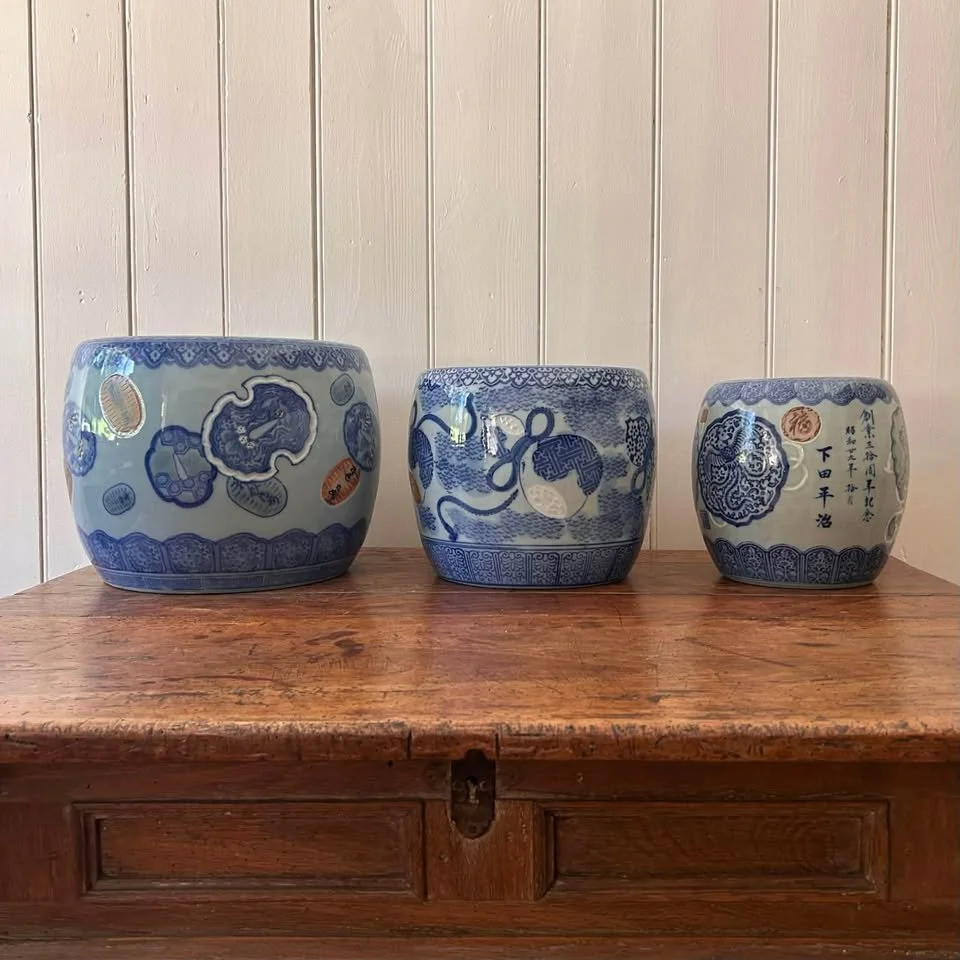 Image 1 of 10
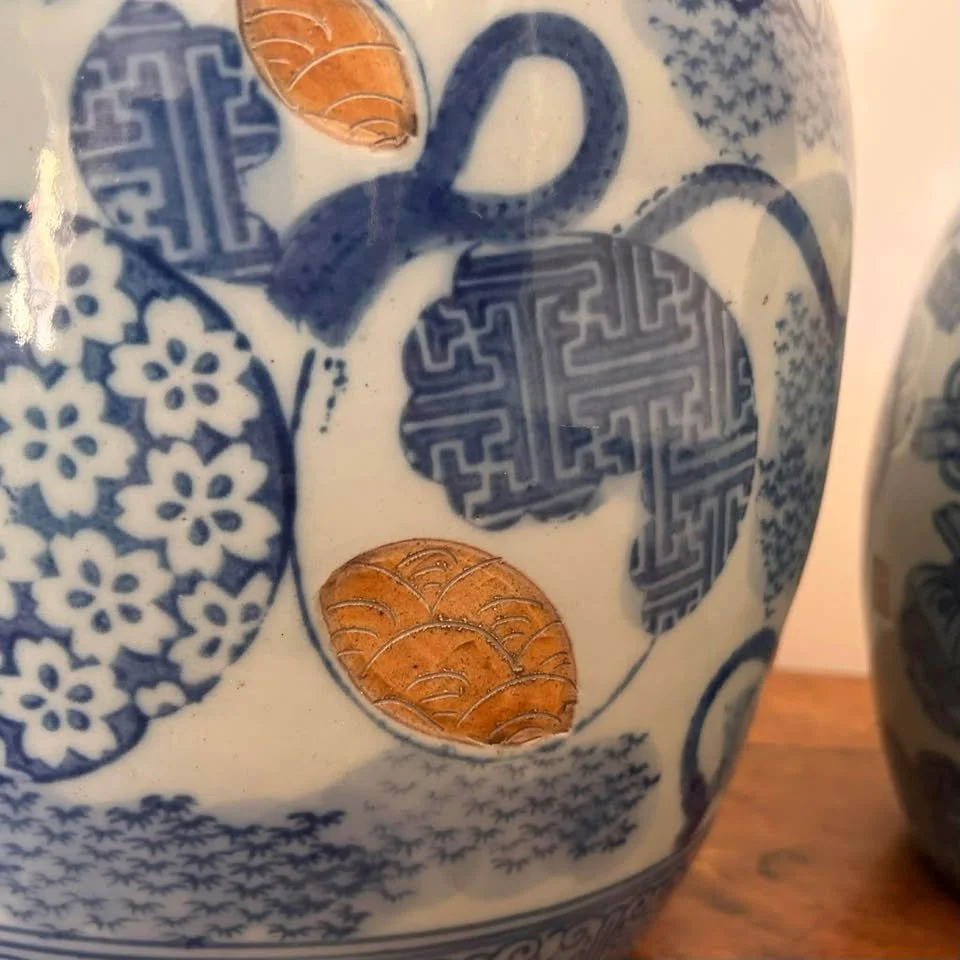 Image 2 of 10
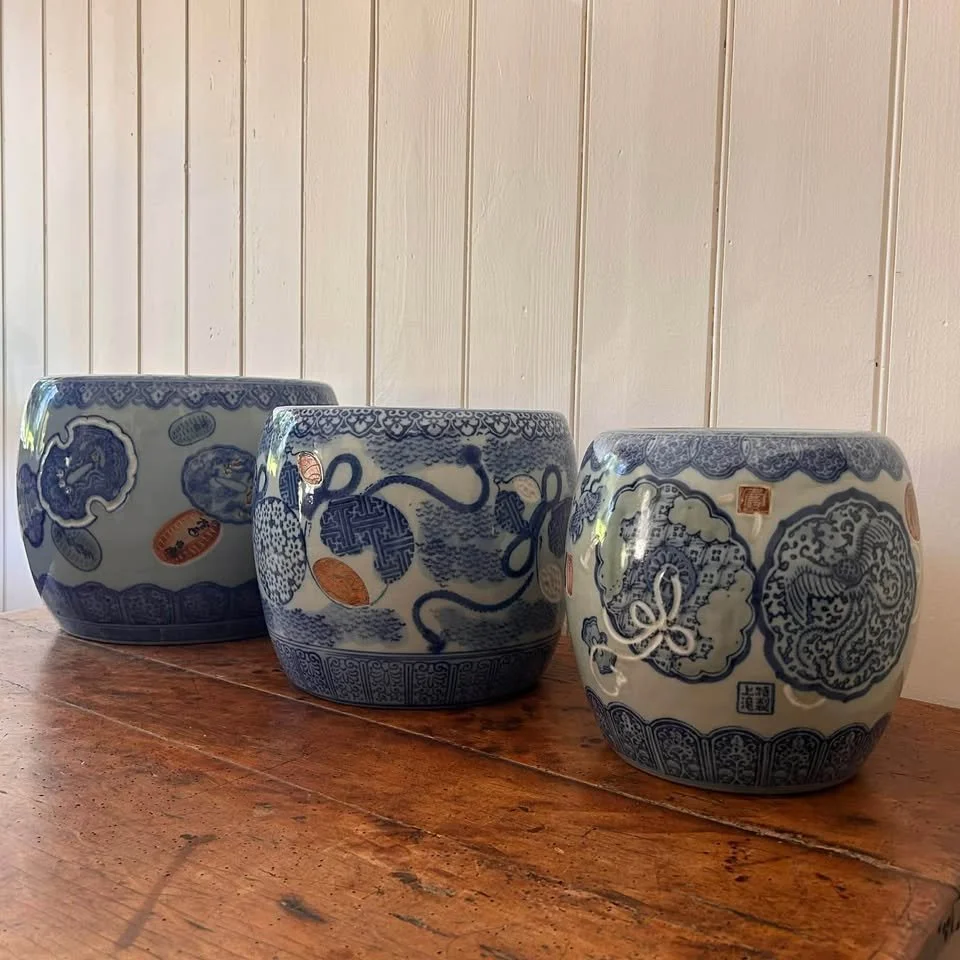 Image 3 of 10
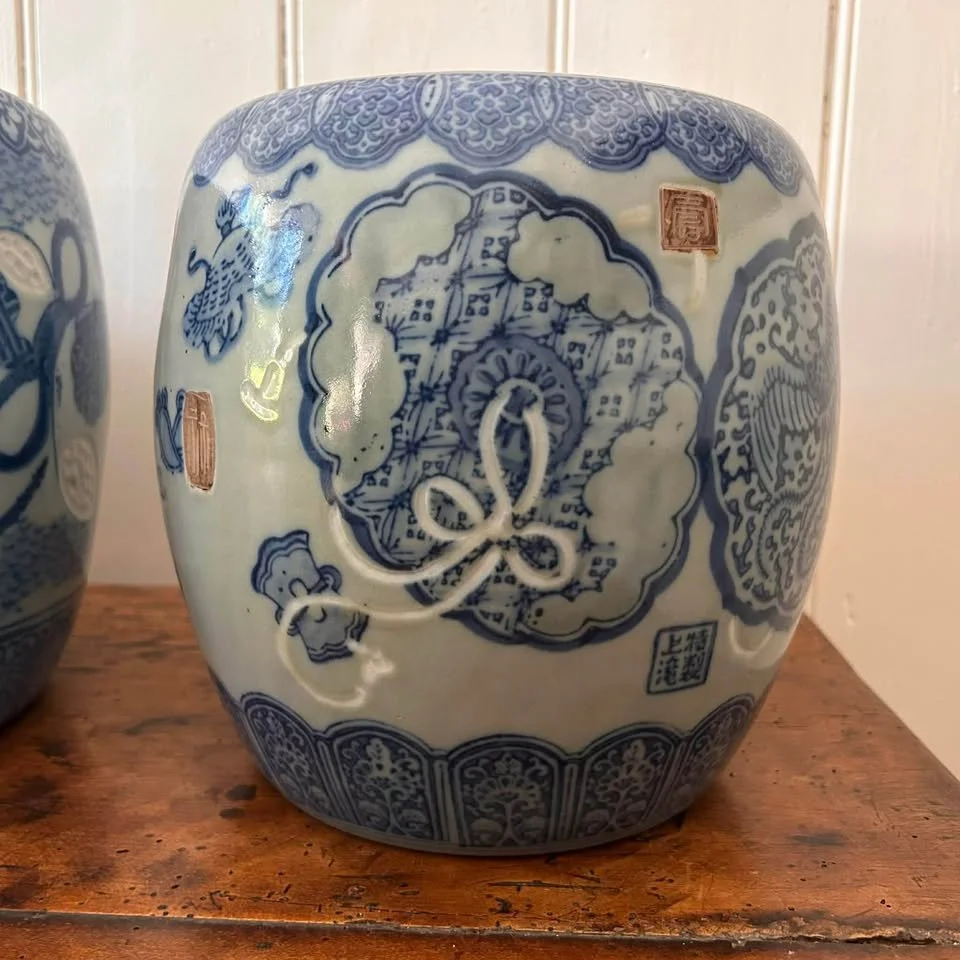 Image 4 of 10
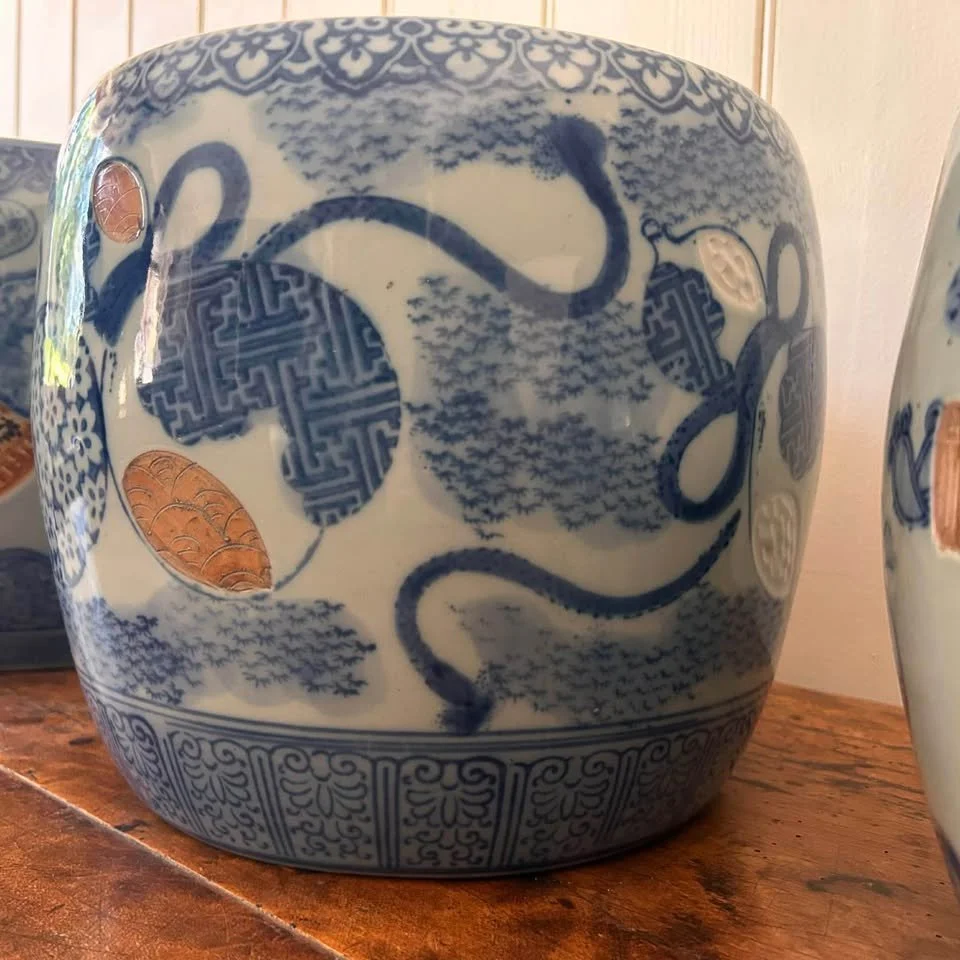 Image 5 of 10
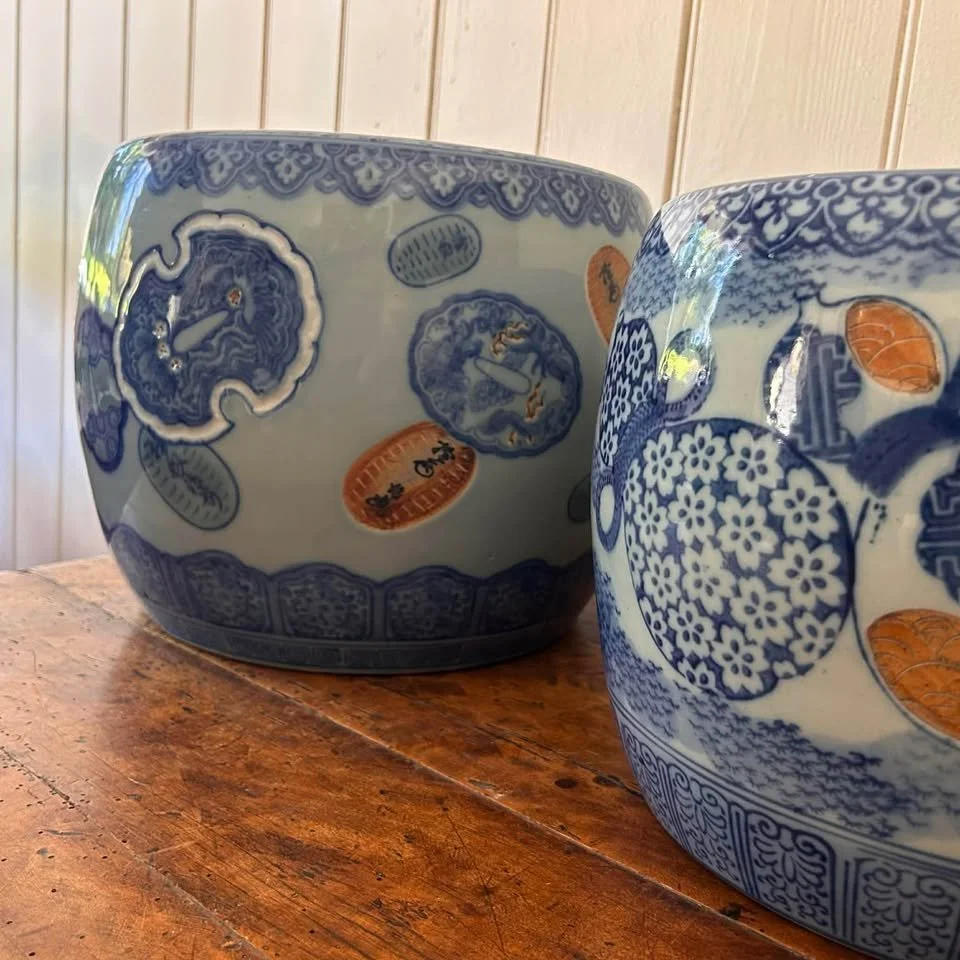 Image 6 of 10
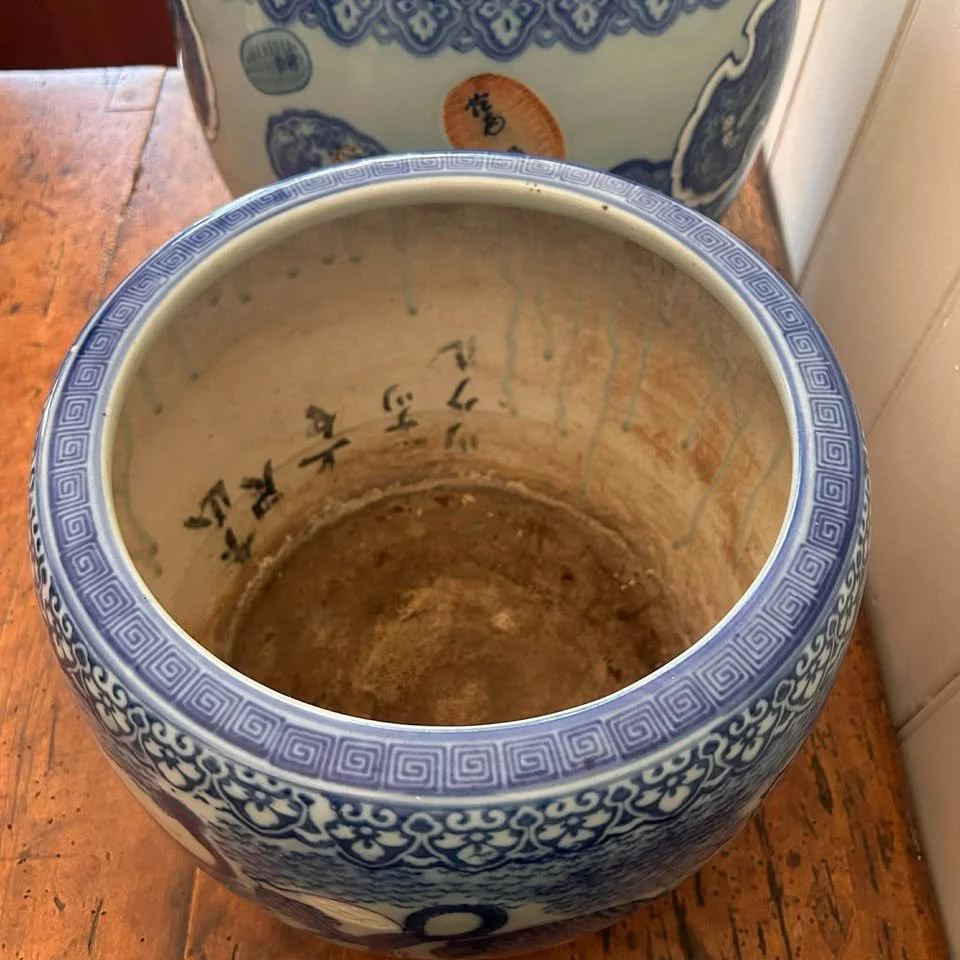 Image 7 of 10
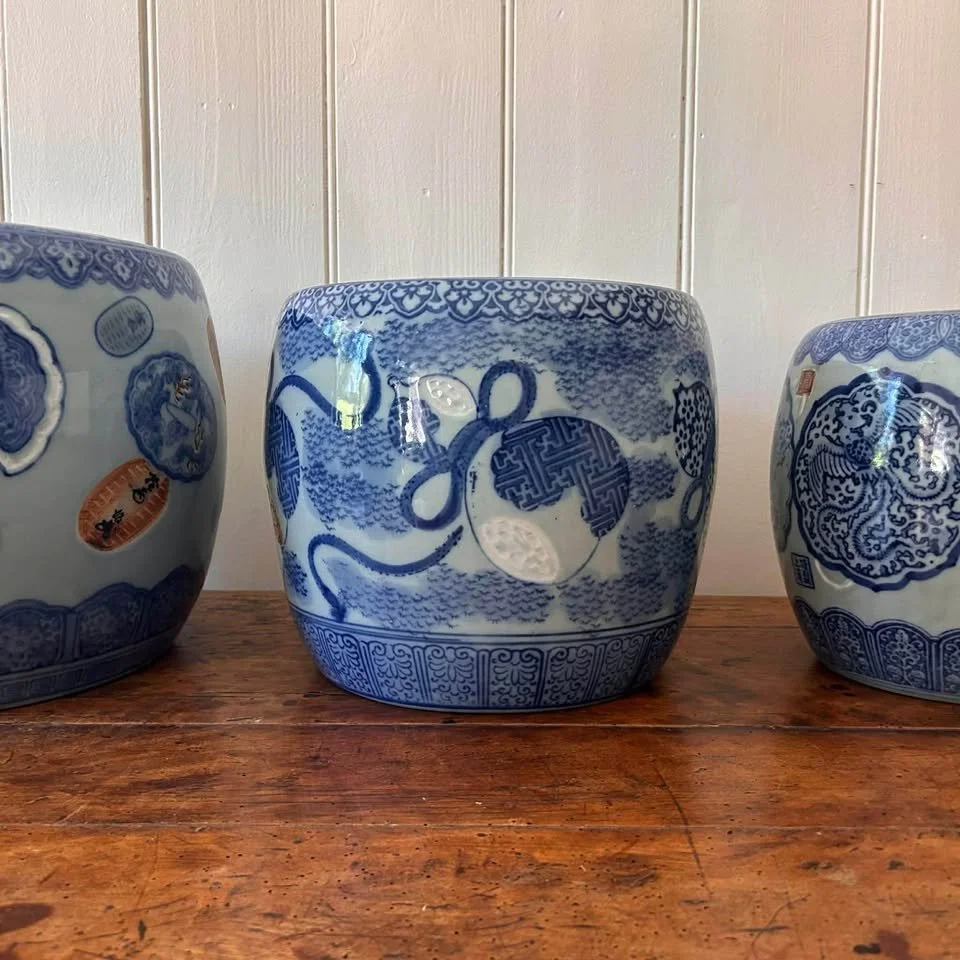 Image 8 of 10
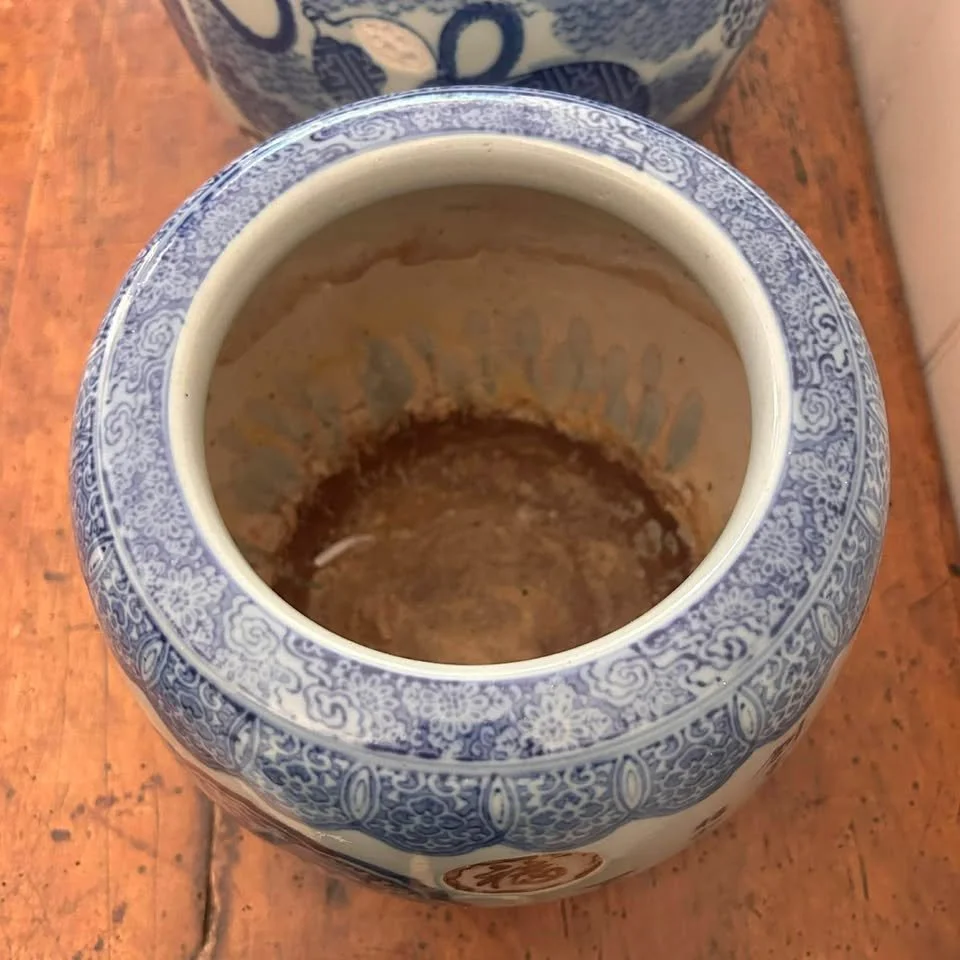 Image 9 of 10
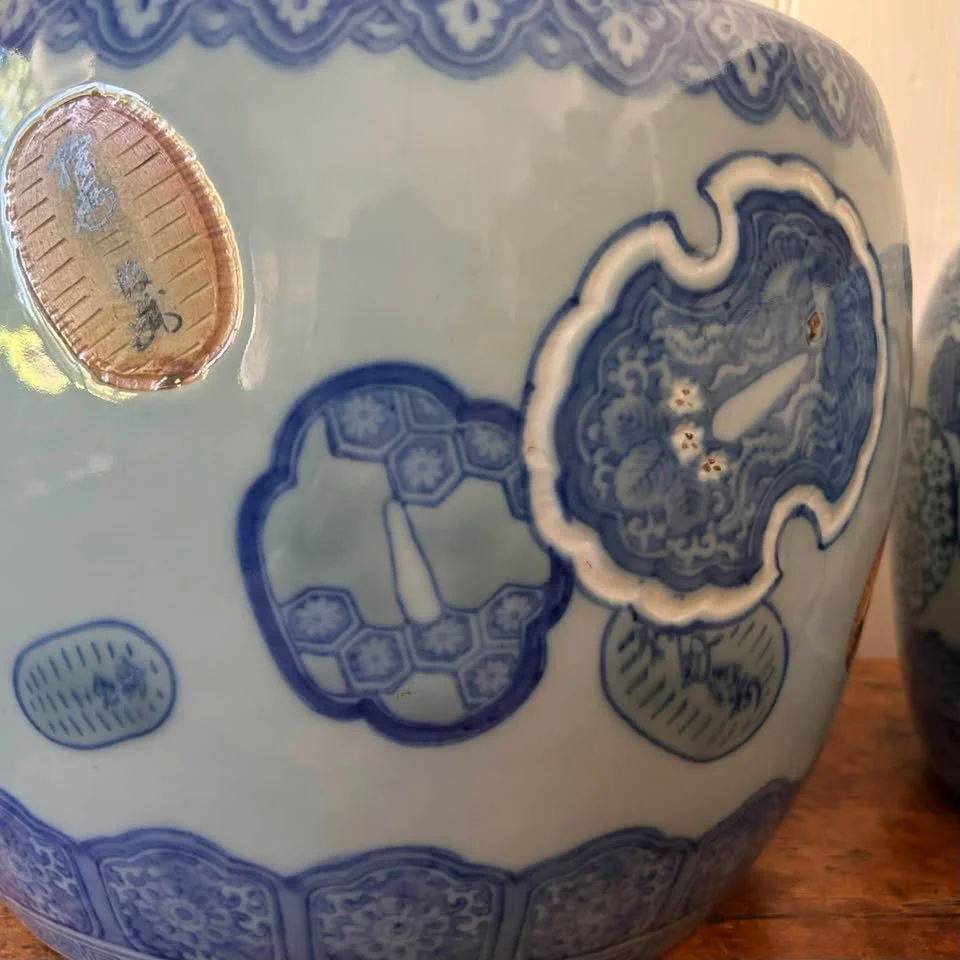 Image 10 of 10